II International Archaeological Symposium “The Great Belt of the Eurasian Steppes: Transformation of Cultures in Time and Space” Opens at Nazarbayev University
24 Sep 2026
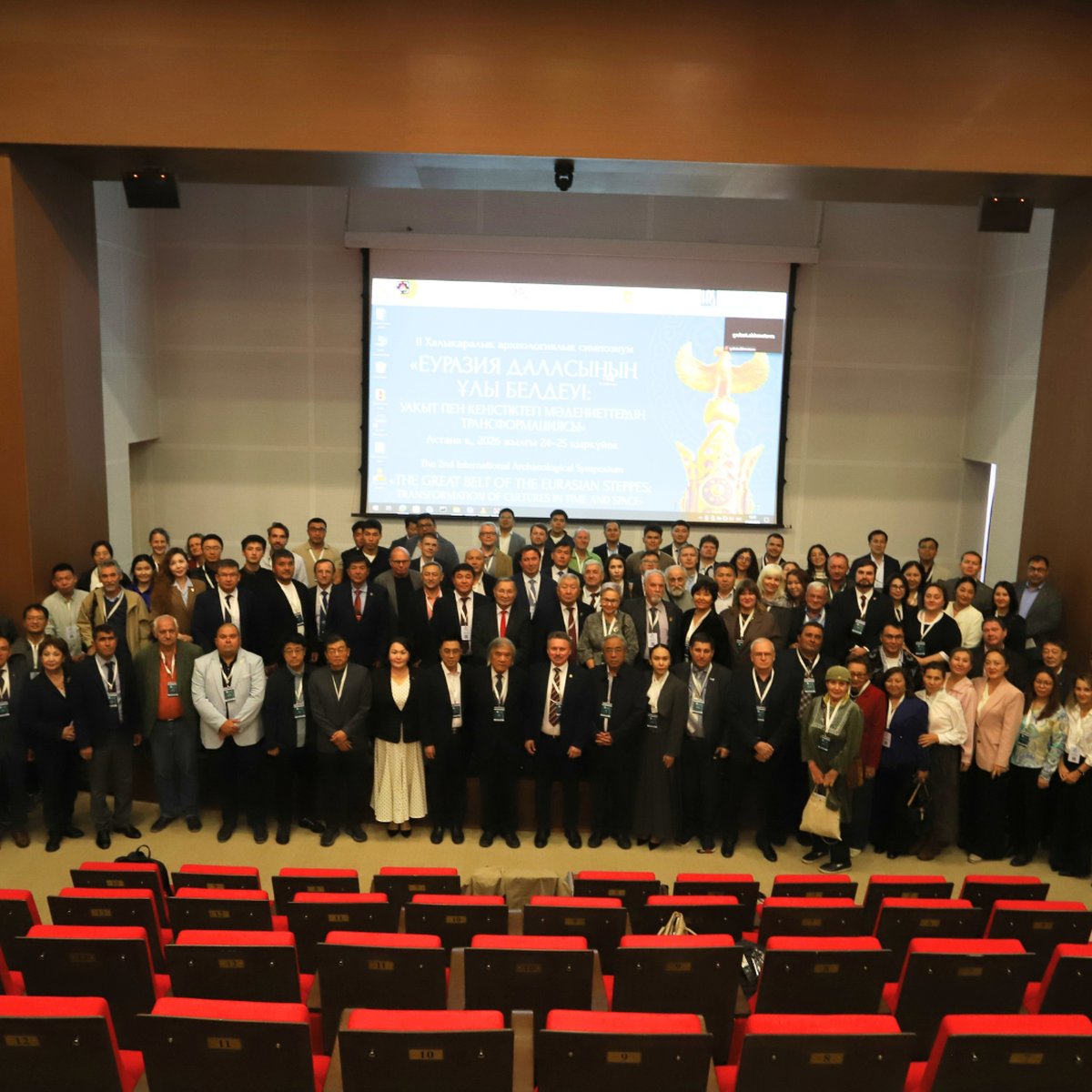
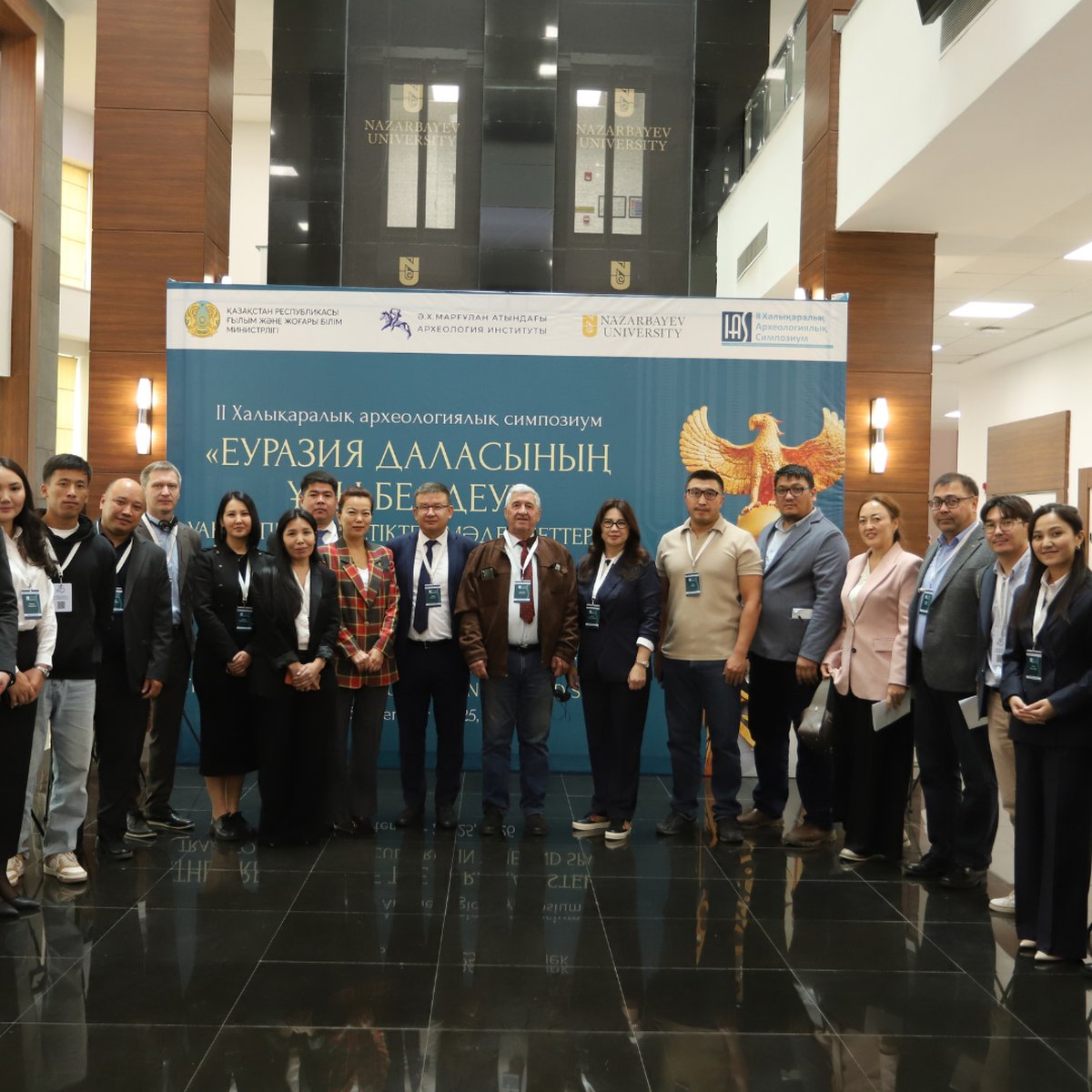
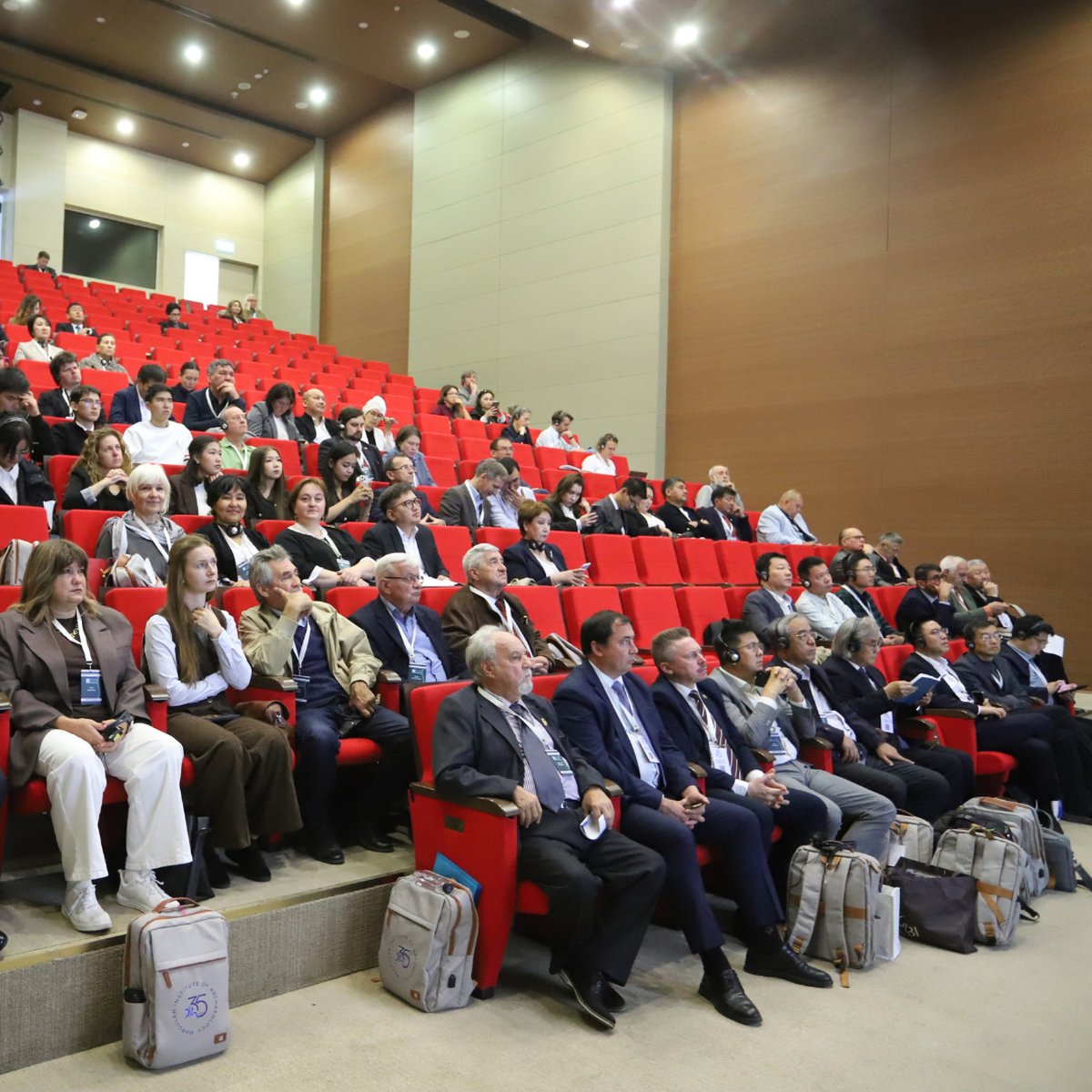
On 24 September 2026, the II International Archaeological Symposium “The Great Belt of the Eurasian Steppes: Transformation of Cultures in Time and Space” opened at Nazarbayev University in Astana. The symposium is organised by the A.Kh. Margulan Institute of Archaeology and Nazarbayev University with the support of the Science Committee of the Ministry of Science and Higher Education of the Republic of Kazakhstan. It is dedicated to the 35th anniversary of the Institute of Archaeology.
More than 150 researchers from Kazakhstan, Azerbaijan, Uzbekistan, Kyrgyzstan, Russia, China, Germany, France, Israel, the United States, the United Kingdom and other countries are taking part in the symposium.
Almas Tolegenuly, Acting Deputy Chairman of the Science Committee of the Ministry of Science and Higher Education of the Republic of Kazakhstan, delivered a welcome address. He highlighted the importance of the symposium for the development of Kazakhstani archaeology and its integration into the international research community. He also congratulated the staff of the A.Kh. Margulan Institute of Archaeology on the Institute’s 35th anniversary.
Participants were also welcomed by Waqar Ahmad, President of Nazarbayev University. He noted the significance of holding the symposium in the year of the 35th anniversary of Kazakhstan’s independence. He also spoke about the contribution of the University’s archaeologists to the study of the country’s history, from the earliest Stone Age sites and the nomadic cultures of the steppe to twentieth-century sites. This research is carried out together with Kazakhstani and international research organisations.
At the plenary session, Akan Ongaruly, Candidate of Historical Sciences and Director General of the A.Kh. Margulan Institute of Archaeology, presented the report “35 Years of Archaeology in Kazakhstan: Scientific Achievements, New Directions and Prospects for Development”. He spoke about the path Kazakhstani archaeology has taken since independence and the Institute’s role in its development. He also outlined prospects for future research.
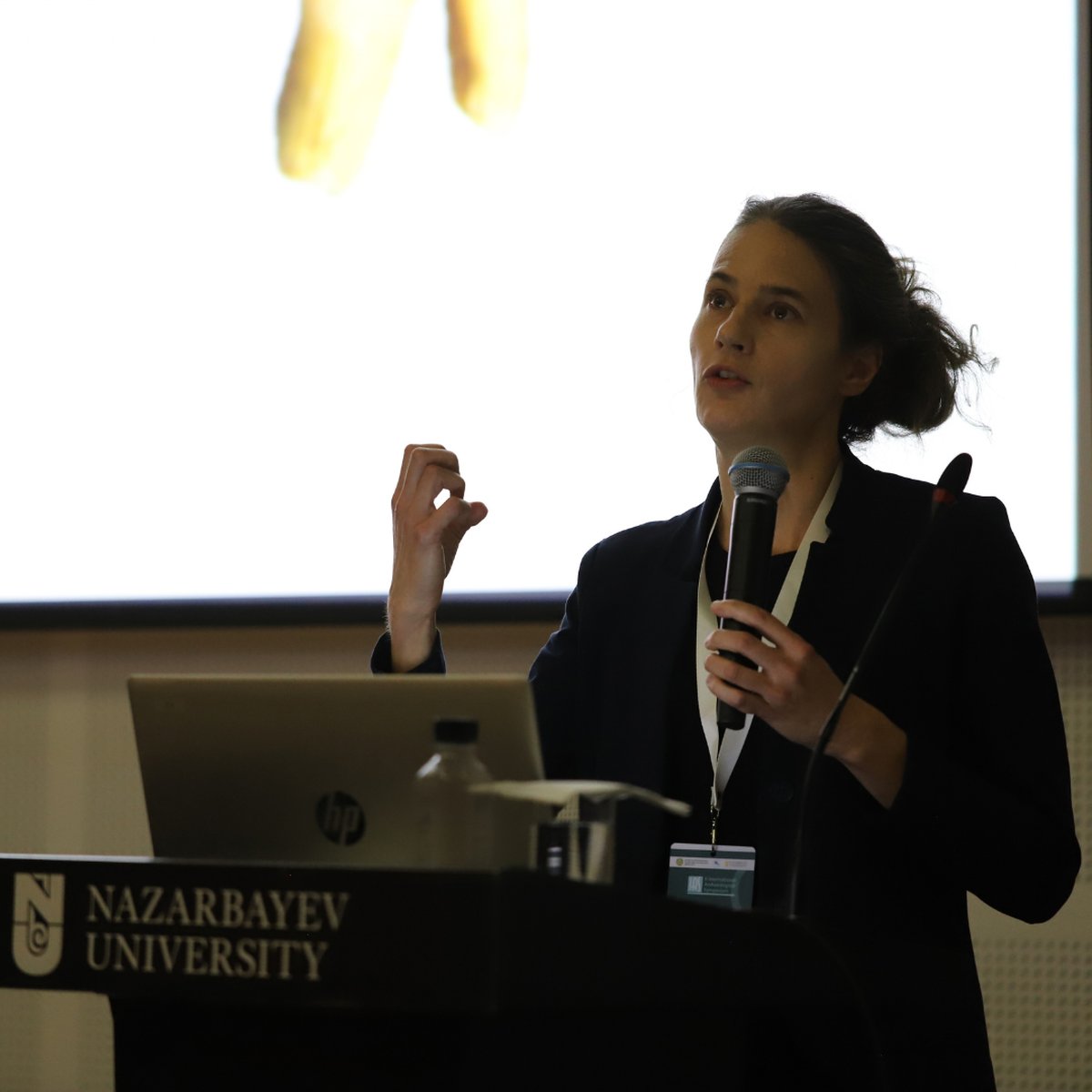
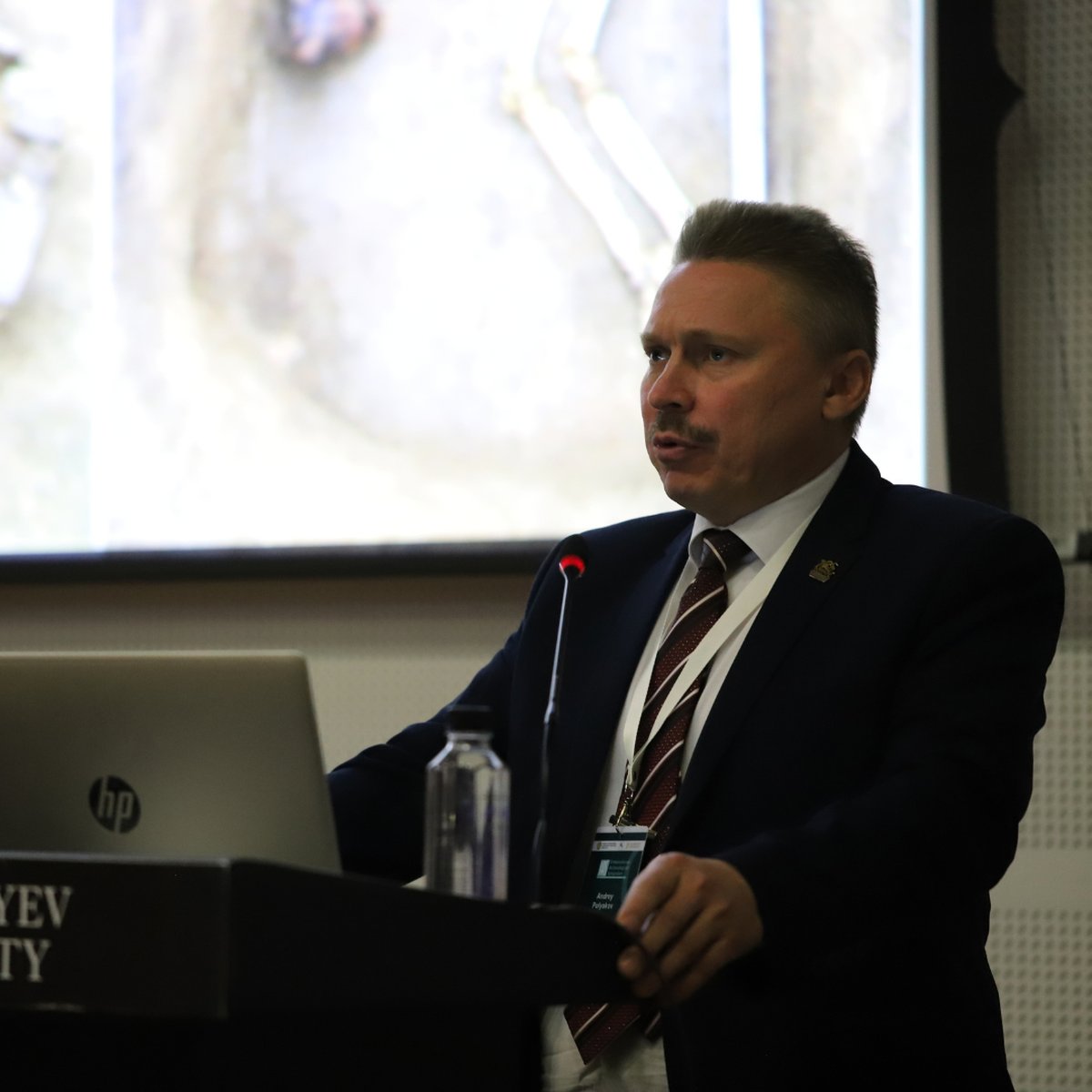
Leading scholars from Kazakhstan, Russia, China, Uzbekistan and other countries also spoke at the plenary session. Among them were Zhaken Taimagambetov, Academician of the National Academy of Sciences of the Republic of Kazakhstan; Andrey Polyakov, Director of the Institute for the History of Material Culture of the Russian Academy of Sciences; Wang Jianxin, Professor at Northwest University (Xi’an, China); Zainolla Samashev, Chief Researcher at the A.Kh. Margulan Institute of Archaeology; and Farhod Maksudov, Director of the Institute of Anthropology of the Academy of Sciences of the Republic of Uzbekistan. The reports covered the cave sites of Kazakhstan, the Bronze Age, the ancient cultures of the steppe and the early history of horse husbandry.
During the symposium, the A.Kh. Margulan Institute of Archaeology signed a memorandum of cooperation with the Shaanxi Provincial Institute of Cultural Heritage and Archaeology (China), headed by Chun Qianrong. The memorandum focuses on the joint study of archaeological sites in Kazakhstan.
The first symposium was held in Almaty in 2024 and became a platform for discussing current issues in the archaeology of Central Asia. It identified key research areas: the periodisation of the Stone and Bronze Ages, the study of the legacy of the early nomads, and the formation of urban culture in the steppe. These areas have been developed further in the programme of this year’s symposium.
The symposium consists of a plenary session and four thematic panel sessions:
– “Caves as Archaeological Archives of the Stone Age in Eurasia”: research on cave sites in Kazakhstan, Central Asia, the Caucasus, Siberia and Western Europe, micromorphological methods and the study of rock art;
– “Proto-Industrial Landscapes of the Bronze Age”: Bronze Age mining and metallurgical complexes, the spread of metals and technologies, and interregional connections across Eurasia;
– “The Phenomenon of Steppe Civilisation: Power, Society and Cultural Transformations”: the formation of the nomadic world, the socio-political organisation of steppe societies, sacred landscapes, the statuary tradition and migrations;
– “Current Issues in the Medieval Archaeology of Kazakhstan”: the urbanisation of early medieval settlements, numismatics, ceramic traditions, new anthropological data and methods of spatial analysis.
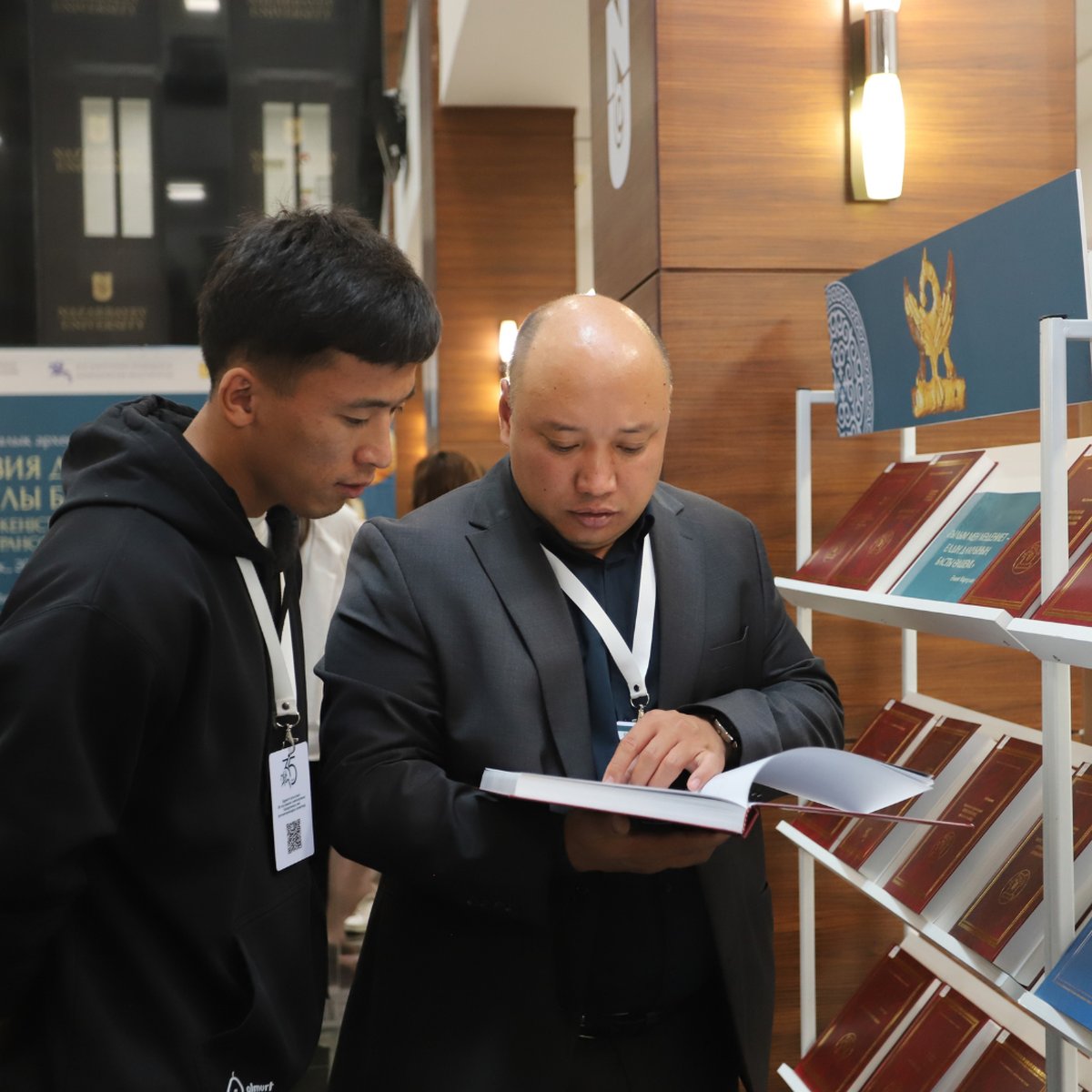
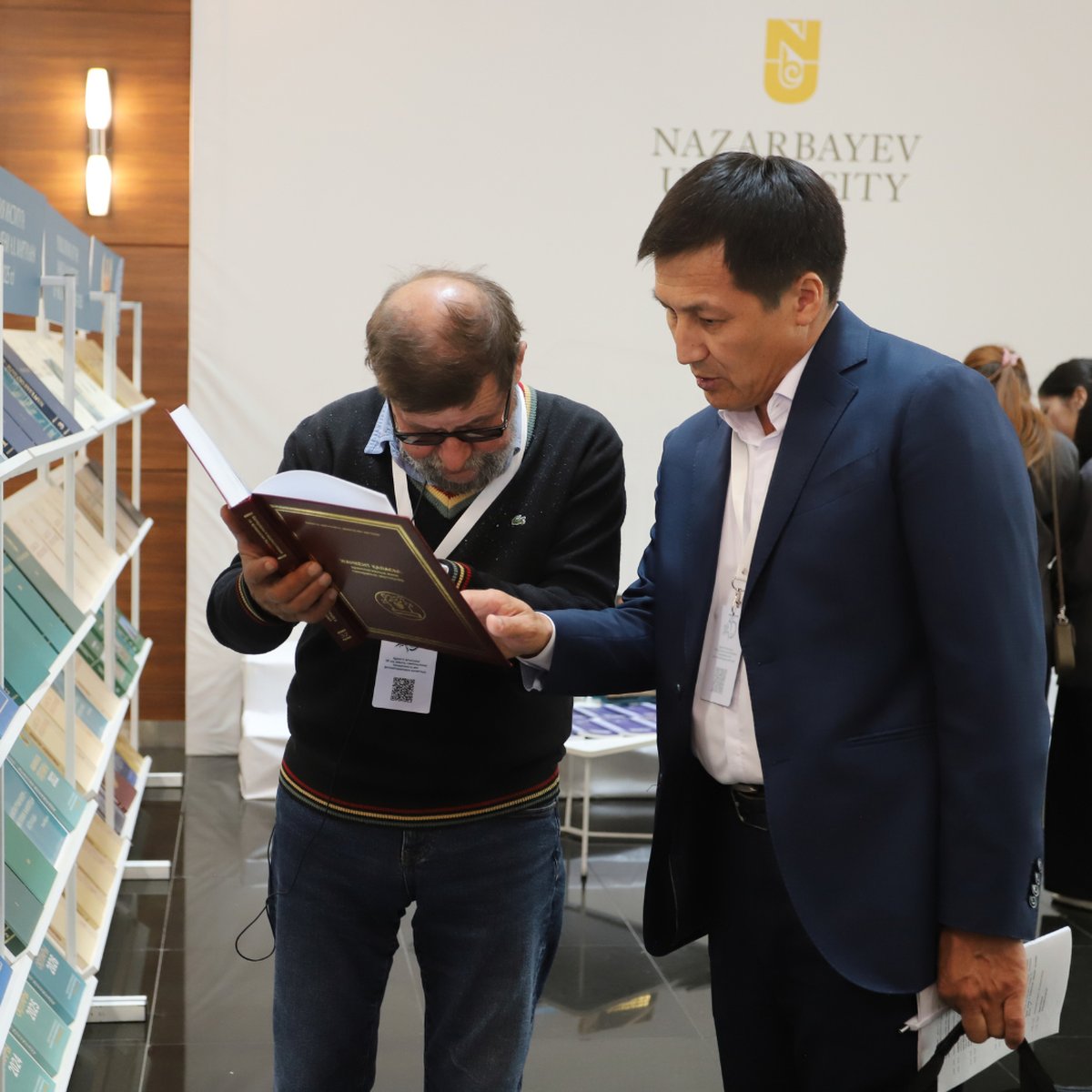
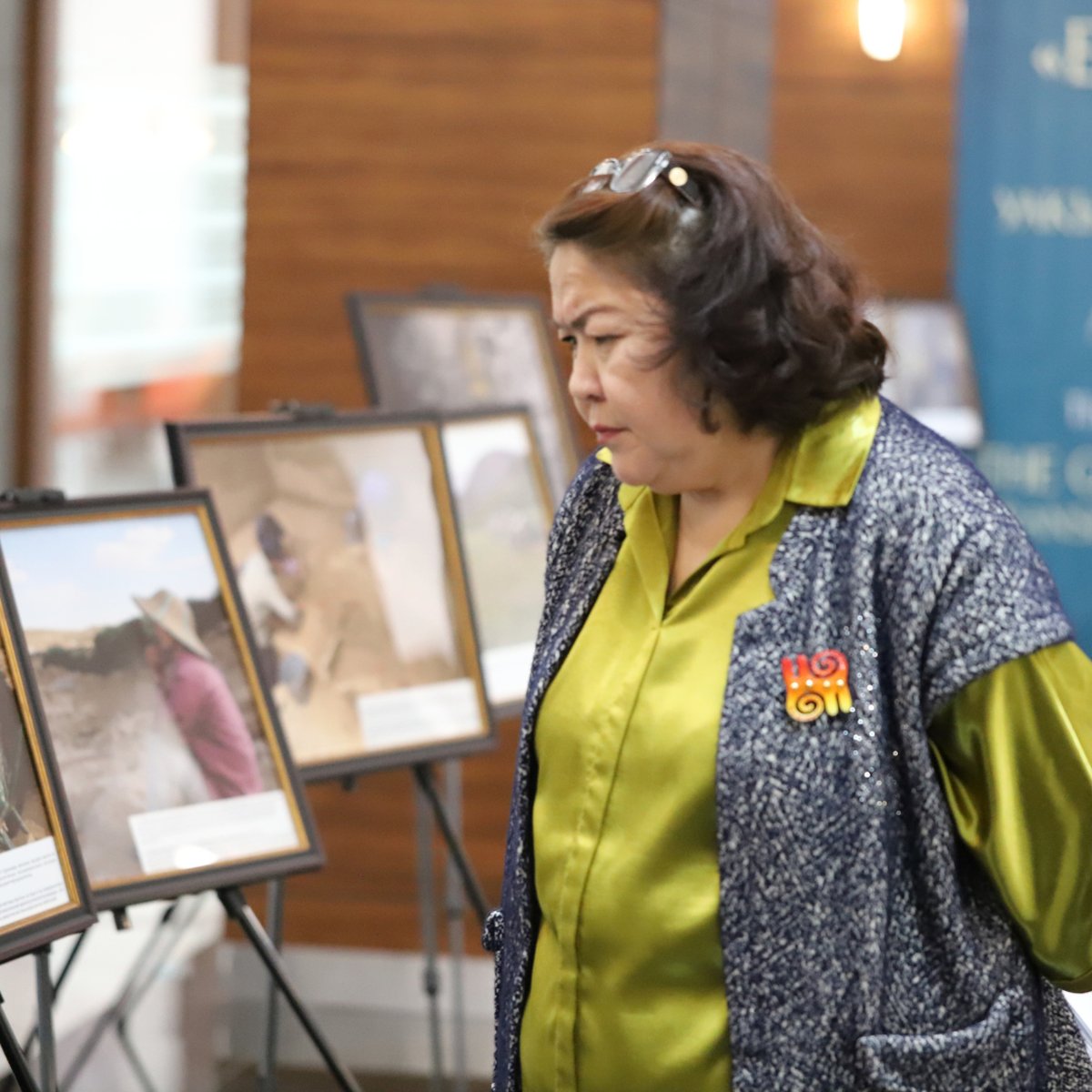
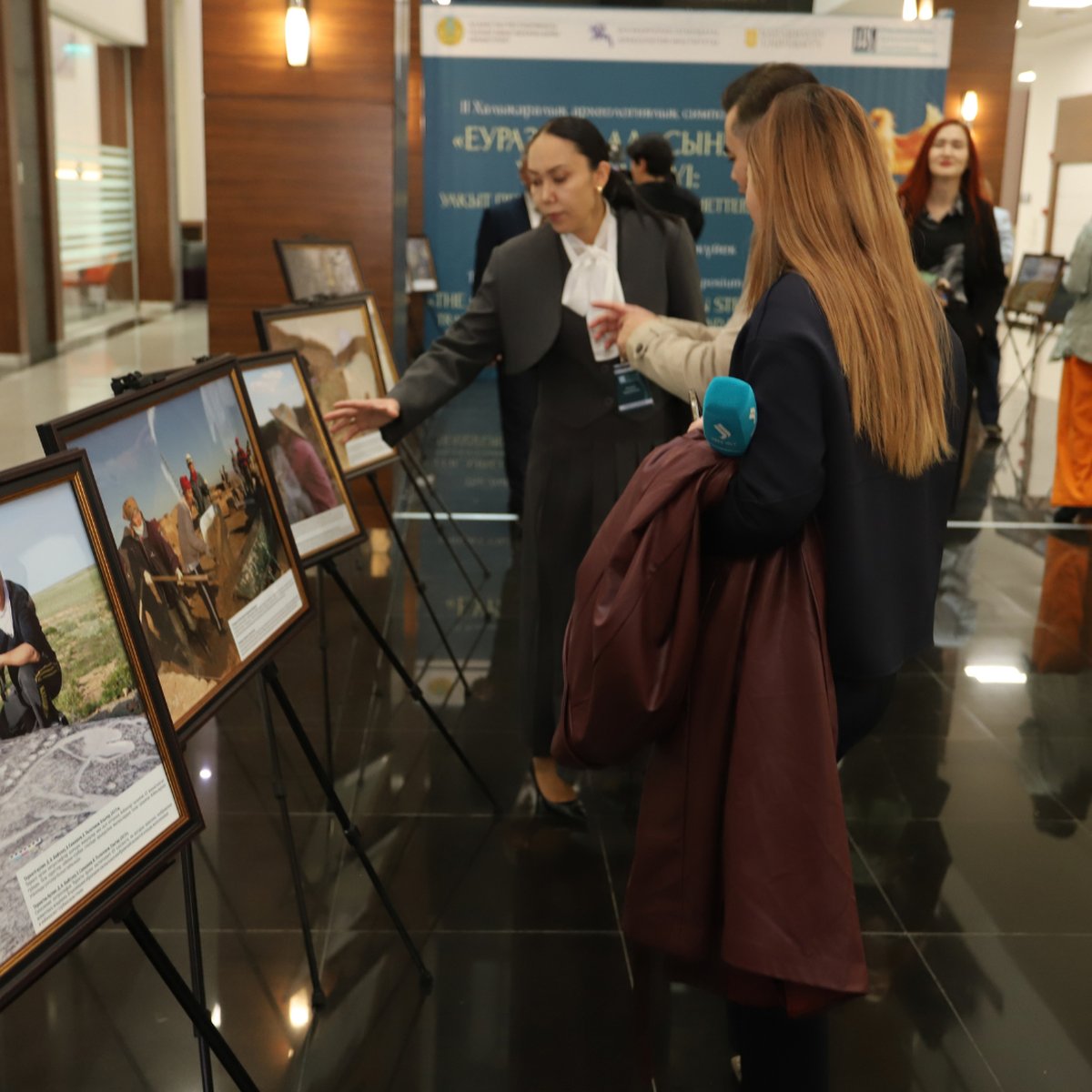
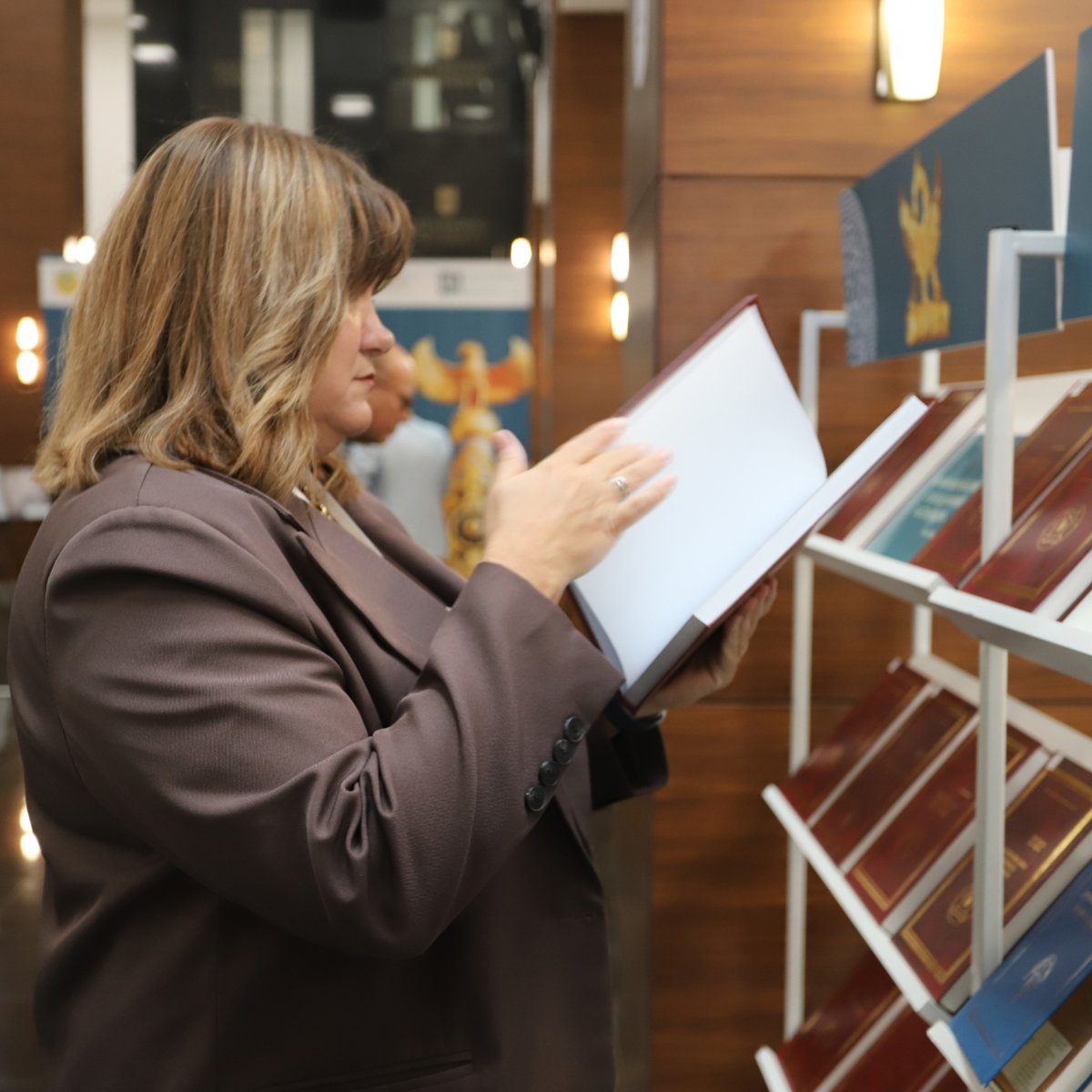
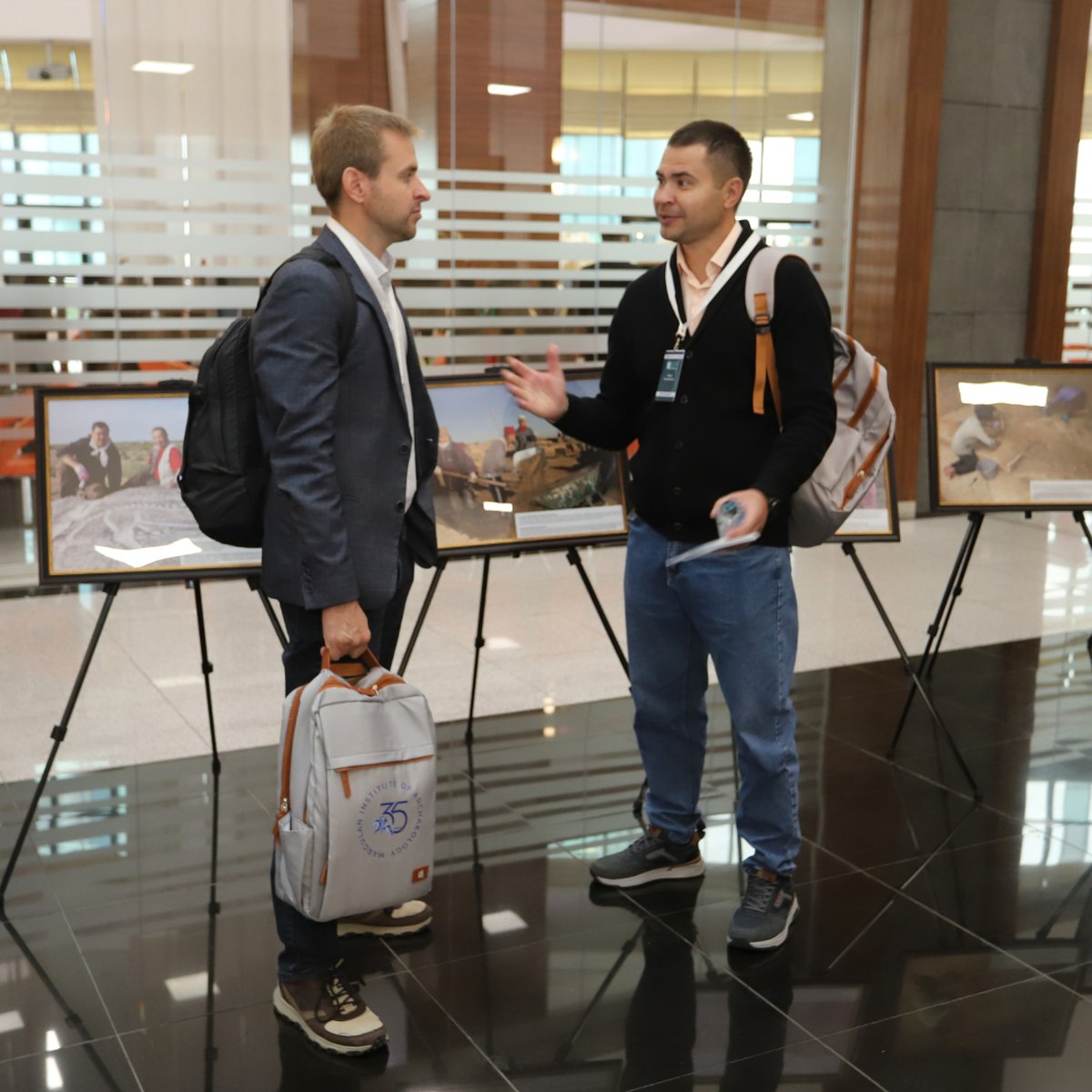
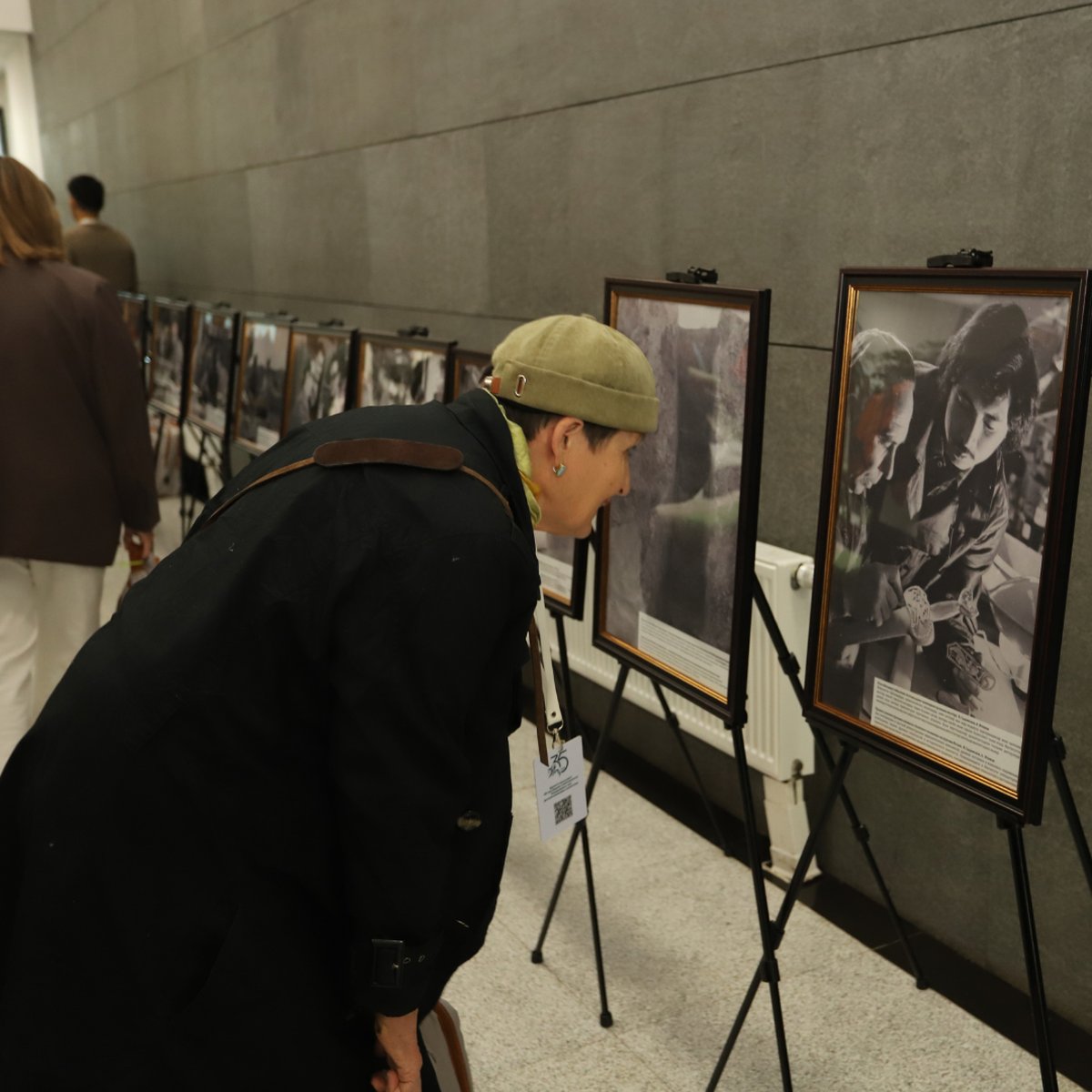
The symposium also features the book exhibition “Publications of the A.Kh. Margulan Institute of Archaeology (2021–2025)” and the photo exhibition “Dialogue with Time…”. The book exhibition presents the Institute’s academic publications from the past five years. The photo exhibition tells the history of Kazakhstani archaeology through rare archival images of expeditions, finds and early reconstructions.
On 25 September, the symposium will continue with panel sessions. At the closing session, the moderators will summarise the results and the participants will adopt the symposium resolution.